
Impact
Energy That Creates Opportunity
Renewable energy has its greatest value when it reaches the people and places that need it most.
At Harness Renewables, our work goes beyond generating electricity. We develop clean-energy systems that support rural areas, businesses, essential services and community infrastructure.
From village electrification and productive-use energy to engineered Solar + BESS systems, our focus is on solutions that are reliable, practical and built around real energy needs.
Rural electrification
Powering Rural Areas. Enabling Better Lives.
Reliable energy can transform what is possible in a rural community.
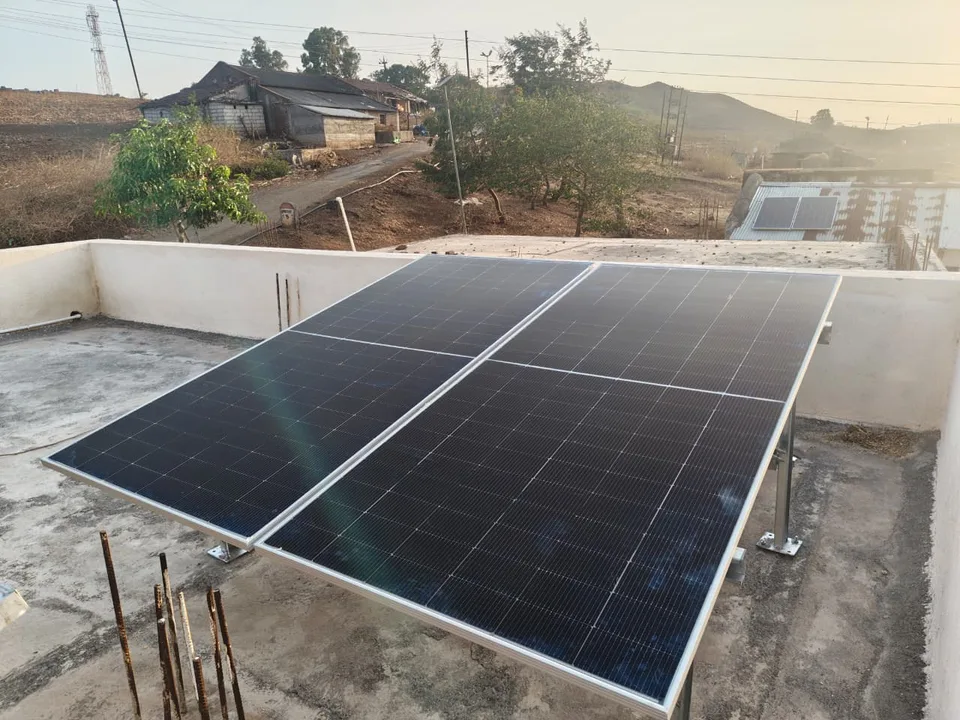
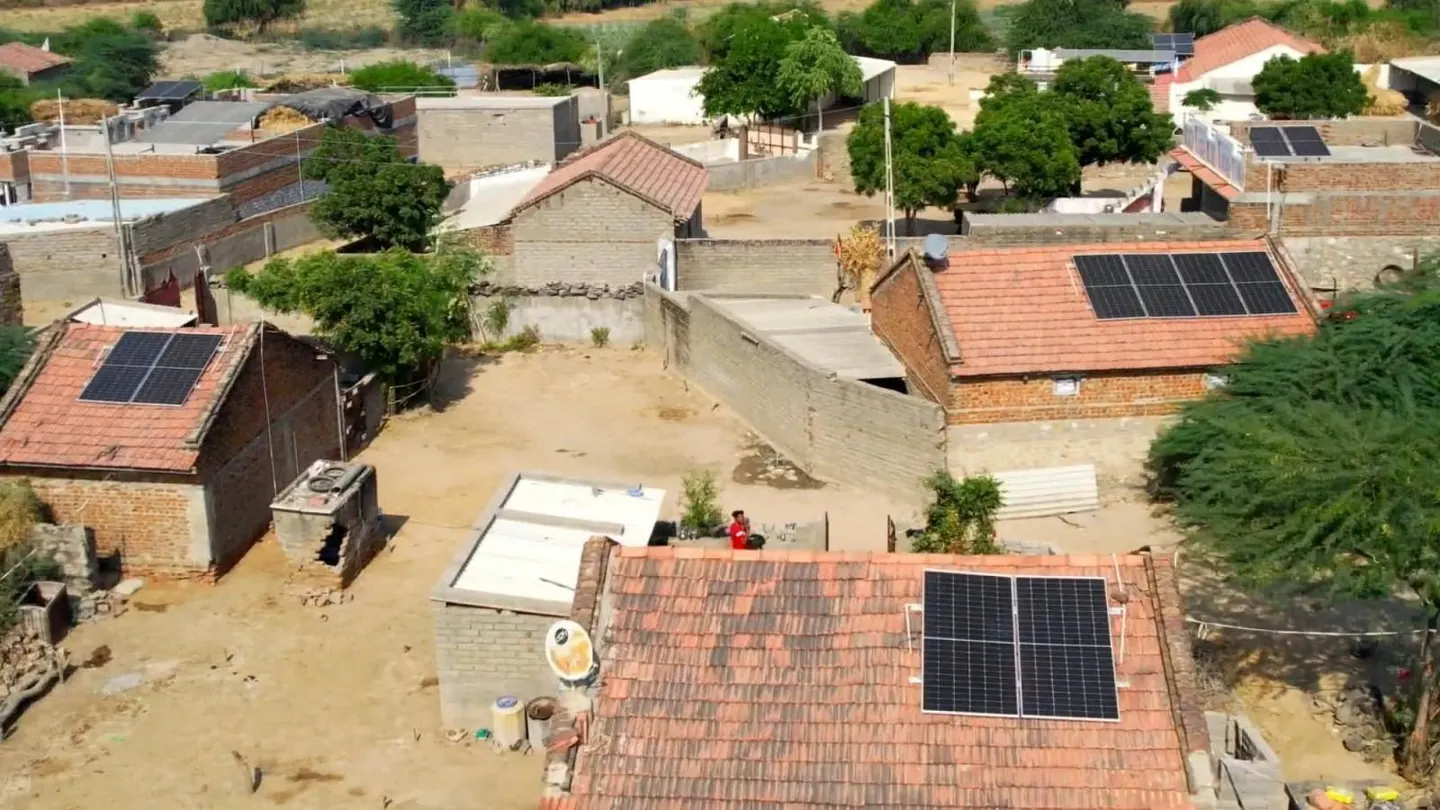
Harness Renewables develops decentralized renewable-energy solutions that bring dependable electricity closer to rural households, enterprises and community facilities.
Our solutions can support:
- Village and decentralized electrification
- Solar microgrids and distributed energy
- Solar water pumping and irrigation
- Rural enterprises and productive loads
- Street and public-area lighting
- Agricultural applications
- Community energy systems
Powering Rural Areas
Supporting Schools, Clinics & Community Infrastructure
Enabling Livelihoods & Local Economic Growth
Lighting Up Hill & Interior Areas
Energy should do more than switch on a light. It should create opportunity.
By enabling irrigation, small businesses, agriculture, cold storage, community facilities and productive equipment, renewable energy can support local economic activity while reducing dependence on conventional fuels.
Energizing Communities. Empowering Lives.
Solar + BESS
Engineering Clean Energy for a More Resilient Future
Harness Renewables delivers engineered Solar PV and Battery Energy Storage Systems for commercial, industrial, institutional and infrastructure applications.
From energy assessment and detailed engineering to installation, integration, testing and commissioning, we develop systems designed around each site's energy needs.
Solar Energy
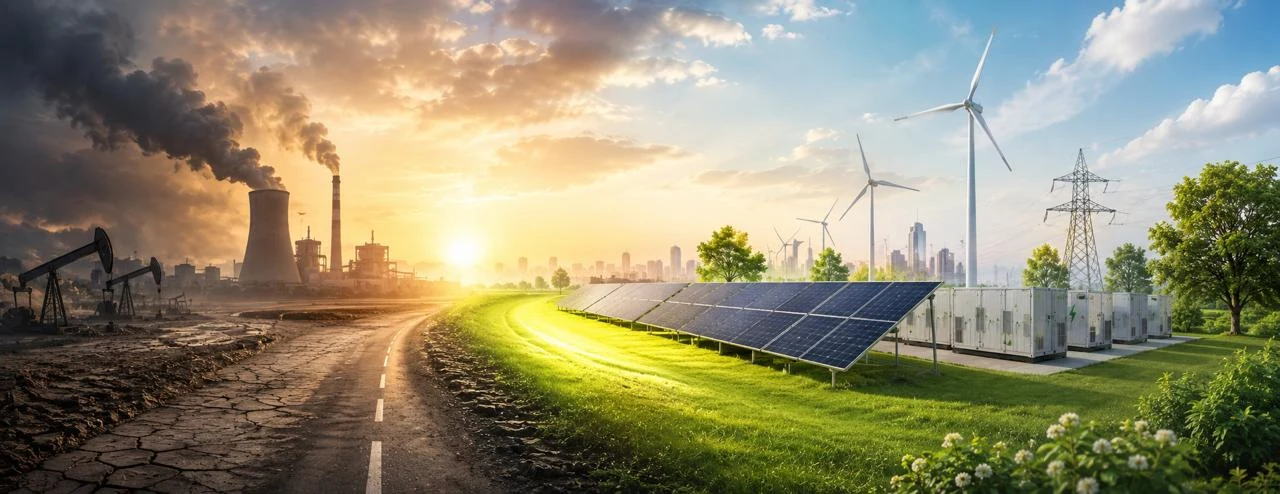
Rooftop, ground-mounted and distributed solar systems designed to produce reliable clean energy.
Read moreBattery Energy Storage
Energy storage for backup, renewable-energy integration, peak management and improved energy resilience.
Read moreIntegrated Solar + BESS
Hybrid systems that combine renewable generation and storage to improve energy availability and flexibility.
Read moreSchools, healthcare and community
Powering the Places Communities Depend On
Some facilities cannot afford to be without reliable electricity.
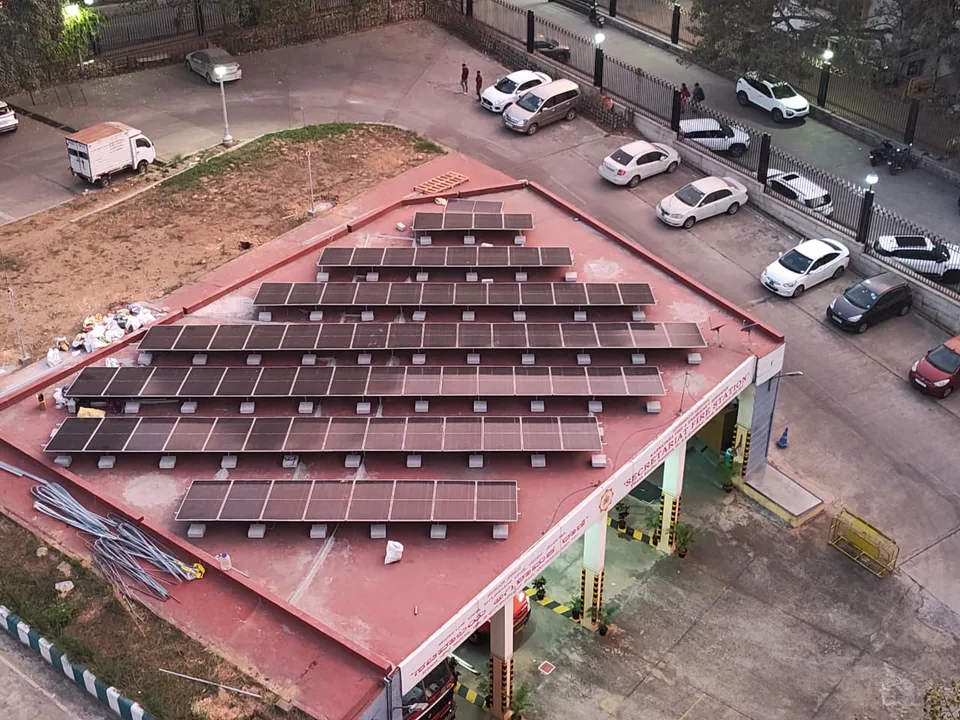
We support renewable-energy applications for schools, healthcare facilities and community infrastructure, helping essential services operate with greater reliability and lower dependence on conventional energy.
Schools & Education
Energy that supports learning.
Solar and energy-storage solutions can provide dependable electricity for classrooms, digital learning, lighting, laboratories and essential school infrastructure.
Healthcare
Reliable power where every moment matters.
Renewable-energy and backup solutions can support healthcare facilities, diagnostic centres, primary health centres and critical services that require dependable electricity.
Community Infrastructure
Clean energy for shared spaces and essential services.
From community buildings and water systems to street lighting and public infrastructure, decentralized renewable energy can strengthen essential services in underserved areas.
Context
From National Ambition to Local Impact
India is rapidly expanding its clean-energy infrastructure, with a national ambition of 500 GW of non-fossil power capacity by 2030 and a long-term commitment to achieve net-zero emissions by 2070. Globally, the energy transition is also accelerating, with the COP28 UAE Consensus calling for renewable capacity to reach around 11.2 TW by 2030.
At Harness Renewables, we see these targets not only as policy milestones, but as an engineering and execution challenge. Our role is to help convert clean-energy ambition into dependable infrastructure that delivers value to businesses, rural areas and communities.
500 GW
Non-fossil power capacity targeted by 2030
Ministry of Power
50%
Of installed capacity from non-fossil sources by 2030, reached in June 2025
India's 2022 NDC
2070
Target year for net-zero emissions
Government of India
30%
Electric vehicle share of new sales targeted by 2030
NITI Aayog
Our Impact Focus
Powering Rural Areas
Rural electrification remains at the centre of our impact strategy. Through decentralized solar, microgrids, productive-use energy, water pumping and community energy systems, we aim to support reliable electricity access, local livelihoods and stronger rural infrastructure.
Building Solar + BESS Infrastructure
We develop integrated Solar PV and Battery Energy Storage solutions that improve renewable-energy utilization, energy resilience and grid integration. Our focus extends from system design and engineering to installation, testing, commissioning and long-term performance.
Supporting Essential Community Infrastructure
Reliable electricity can directly influence education, healthcare, water access and community services. We therefore see schools, clinics, public facilities and shared infrastructure as important areas where renewable energy can create meaningful social value.
Aligned with Sustainable Development Goals
- 7Affordable and Clean Energy
Ensure access to affordable, reliable, sustainable and modern energy for all.
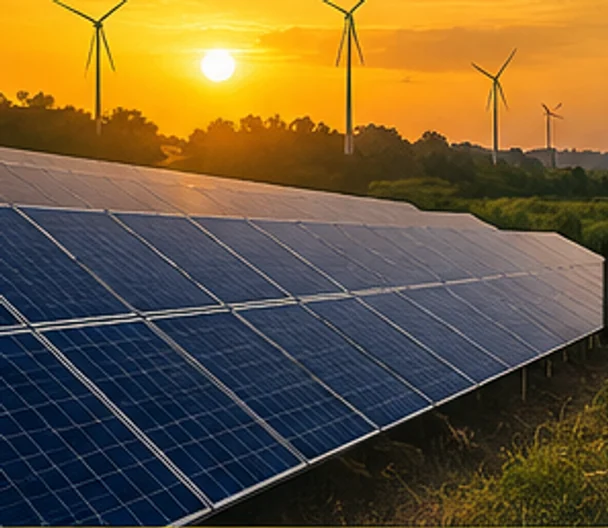
Harness Renewables delivers solar and storage solutions that bring clean energy to homes, businesses and communities.
- 9Industry, Innovation and Infrastructure
Build resilient infrastructure, promote inclusive and sustainable industrialization and foster innovation.
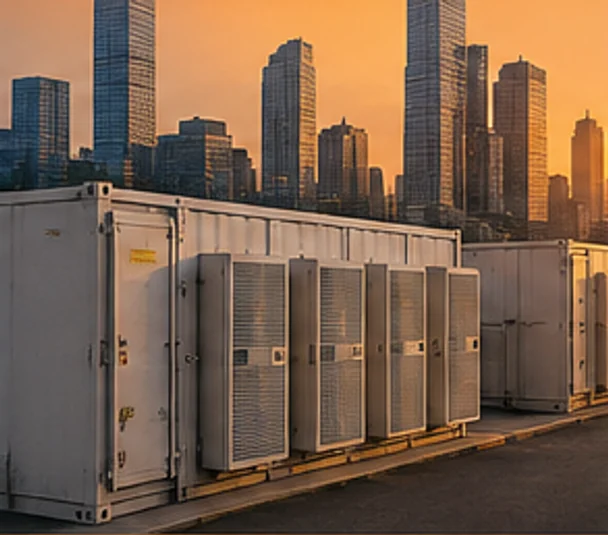
Harness Renewables builds advanced energy infrastructure and integrates innovative technologies for a stronger, clean energy future.
- 11Sustainable Cities and Communities
Make cities and human settlements inclusive, safe, resilient and sustainable.
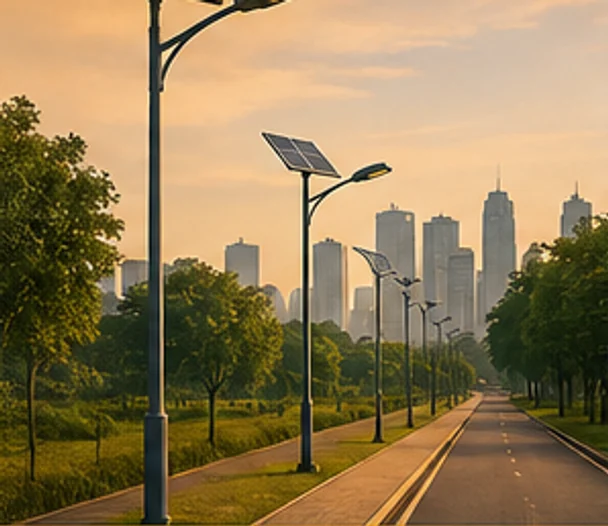
Harness Renewables powers communities with clean energy solutions for a better quality of life and sustainable urban development.
- 13Climate Action
Take urgent action to combat climate change and its impacts.
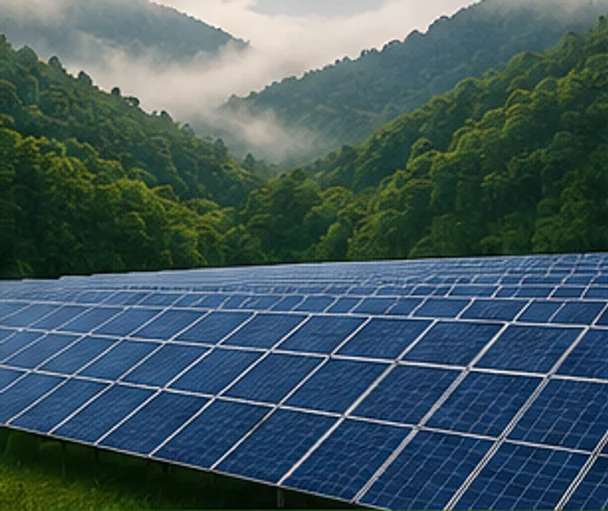
Harness Renewables is committed to reducing emissions and building a low-carbon, climate-resilient future.
- 8Decent Work and Economic Growth
Promote sustained, inclusive and sustainable economic growth, full and productive employment and decent work for all.
Harness Renewables creates jobs, builds skills and drives inclusive economic growth through clean energy development.
Selected rural and community projects can also support goals related to health, education, clean water and economic opportunity.
The Sustainable Development Goals are a United Nations initiative. Goal names, descriptions and icons are used here to describe where our work contributes; their use does not imply any endorsement of Harness Renewables by the United Nations.
Our Approach to Impact
At Harness Renewables, impact will not be measured only by megawatts installed. We aim to measure what those megawatts enable: clean energy generated, emissions avoided, communities reached, essential facilities supported, energy resilience improved and opportunities created.
666 million
people worldwide still had no access to electricity in 2023. Global access reached 92% that year, and 85% of those without it live in Sub-Saharan Africa.
Targets do not build projects. Execution does.
Harness Renewables turns clean-energy ambition into infrastructure that powers industries, strengthens rural areas and enables communities.
How we measure it
We Measure More Than Megawatts.
Clean energy
Renewable capacity enabled
Resilience
Energy storage and backup capability
Productivity
Energy supporting businesses and enterprises
Livelihoods
Energy supporting agriculture and rural economic activity
Essential services
Schools, healthcare and community infrastructure supported
Climate
Estimated emissions avoided through renewable generation
Track record
Flagship Executed Projects
Our combined track record spans government, defence, banking, hospitality, manufacturing, and utility sectors.
Pan-India Geographic Footprint
- Karnataka
- Andhra Pradesh
- Telangana
- Gujarat
- Tamil Nadu
- Kerala
- Puducherry
- Uttarakhand
- Pan India
Flagship projects
Case study
Solar on the Karnataka Legislative Assembly
A 500 kWp rooftop installation on one of India’s most recognisable public buildings — where the constraints are as much architectural as electrical.
- Capacity
- 500 kWp
- Location
- Bengaluru, Karnataka
- Sector
- Iconic Public Landmark
What the site demanded
Read from the photographs of the work rather than from a brief — the account below describes what is visible on site.
Two mounting approaches, not one
Some roof areas carry a low-profile structure sitting close to the deck; others carry an array raised on columns with clear space beneath it. The same complex is solved twice, differently, according to what each surface allows.
Kept below the roofline
Where the building is seen from the ground, the arrays sit low against the terrace and behind the parapet, with the domes and turrets rising clear above them. On a listed public building the array has to be present without being part of the elevation.
The terraces stayed in use
Modules run alongside paved walkways, benches and planting rather than over them. The roof remained a place people use, which constrains where a row can start and how wide a maintenance route has to be.